Latest Works
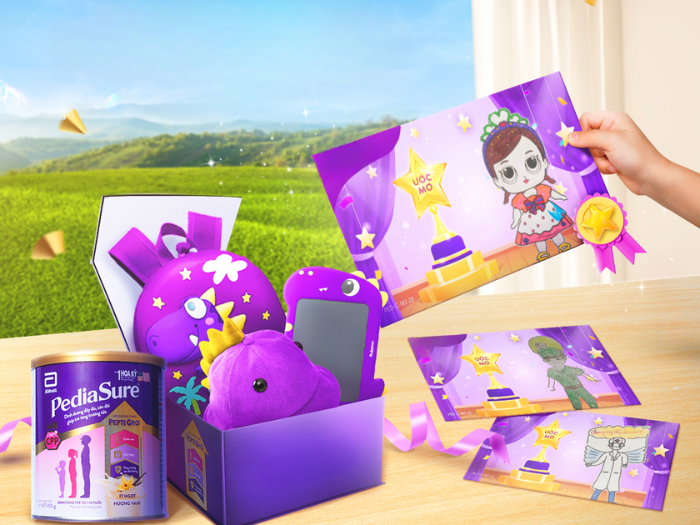
World's First "Bone-Connected" AI Technology Experience with Pediasure
PediaSure
Read more Talk to us Menu

Industries
AR, VR and AI in IT & Digital Transformation
Đọc bài viết bằng Tiếng Việt
PediaSure
Read moreA technology company is judged by the experience it delivers, and so is any business in the middle of a digital transformation. A printed invitation, a static landing page or a slide about "innovation" undercuts the message before anyone reads it.
Marvy Co. builds the experiences themselves: AR invitations and event touchpoints for MobiFone and Yango Ads, an AR geolocation landmark for NutiFood, AR effects made for Facebook and Meta, campaigns for platforms such as Gojek and FPT Camera, and Zalo Mini Apps that brands run as their own customer channel. This article sets out what each one does and where it fits.
For MobiFone's "Connecting from the Heart – Elevating Partnerships" event, Marvy built two pieces that work as one journey: a registration landing page, and an AR hand-tracking invitation that opens from it. A guest scans a QR code, registers with a name, email and company, and the invitation appears on their palm with the event's information.
See the work: MobiFone's registration page and AR invitation
For Yango Ads' AI & Innovation event series in Hanoi, the USA and Seoul, Marvy turned event cards and posters into interactive touchpoints with AR image tracking and an interactive mobile web: scan, discover, interact, share. In Hanoi, each attendee's AR card introduced an AI ambassador, Zane Volar.
See the work: Yango Ads' AR event series
NutiFood is the main sponsor of a pedestrian bridge across the Saigon River, between District 1 and Thu Duc City, which broke ground in April 2025. Marvy built a WebAR experience that places a 3D model of the bridge exactly where the real one will stand, so residents and visitors can look at it from either bank before it exists.
See the work: The NutiFood AR geolocation bridge
For FPT Camera, Marvy turned the New Year card into an AR experience: scan the QR code once and 2D animation and sound play over the printed card. A technology brand's greeting becomes a small demonstration of what technology can do.
See the work: FPT Camera's AR New Year card
Marvy was chosen by Facebook as the first partner for its Vietnamese cultural AR projects: four city filters for Hanoi, Quang Ninh, Da Nang and Saigon; four filters of figures from Vietnamese history, from the Hung King to the Trung Sisters; and "Hai Dua", a face-tracking AR game drawn from Dong Ho folk painting. For Meta, we made a Lunar New Year fortune-telling filter in several languages for its users around the world.
See the work: Facebook's AR city filters · Facebook's historical characters · Facebook game Hai Dua · Meta's Year of the Dragon filter
Platform brands compete for young, mobile users who switch apps easily. Gojek, an on-demand services and payments platform, launched an AR filter that lets fans take a selfie with Sơn Tùng M-TP in Gojek green, a simple mechanic that put the brand in the hands of its audience.
See the work: Gojek's AR filter with Sơn Tùng M-TP
Digital transformation for a consumer brand often means owning the channel where customers come back. Marvy builds Zalo Mini Apps end to end: concept, UI/UX, the game, the backend and the CMS, and runs the campaign. For Wujia Black Tea, the "Lucky Puzzle" game turned every purchase into a blind box and a piece of a puzzle, to bring customers back to order again. For MILO A2 Cool Milk, an AI frame challenge let parents celebrate their children's progress and collected data for CRM. For Seafood from Norway, a penalty challenge around the World Cup told the story of Norwegian salmon and sent traffic to its retail partners.
See the work: Wujia Black Tea's Zalo Mini App · MILO's AI minigame · Seafood from Norway's Penalty Challenge
IT & Digital Transformation
We have millions of ideas to boost your marketing.
No published projects in this industry yet.
PediaSure
 F&B
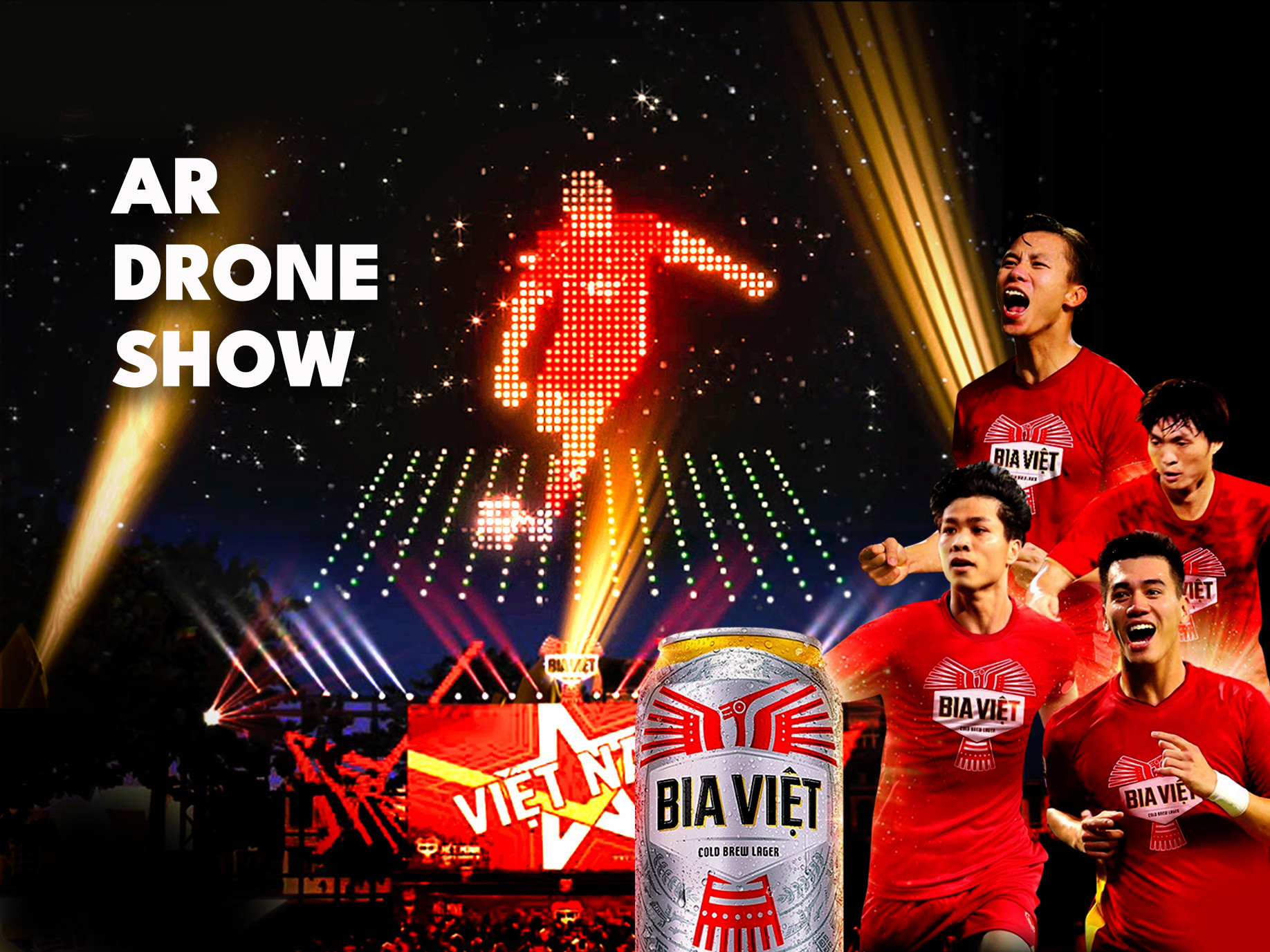
Bia Việt
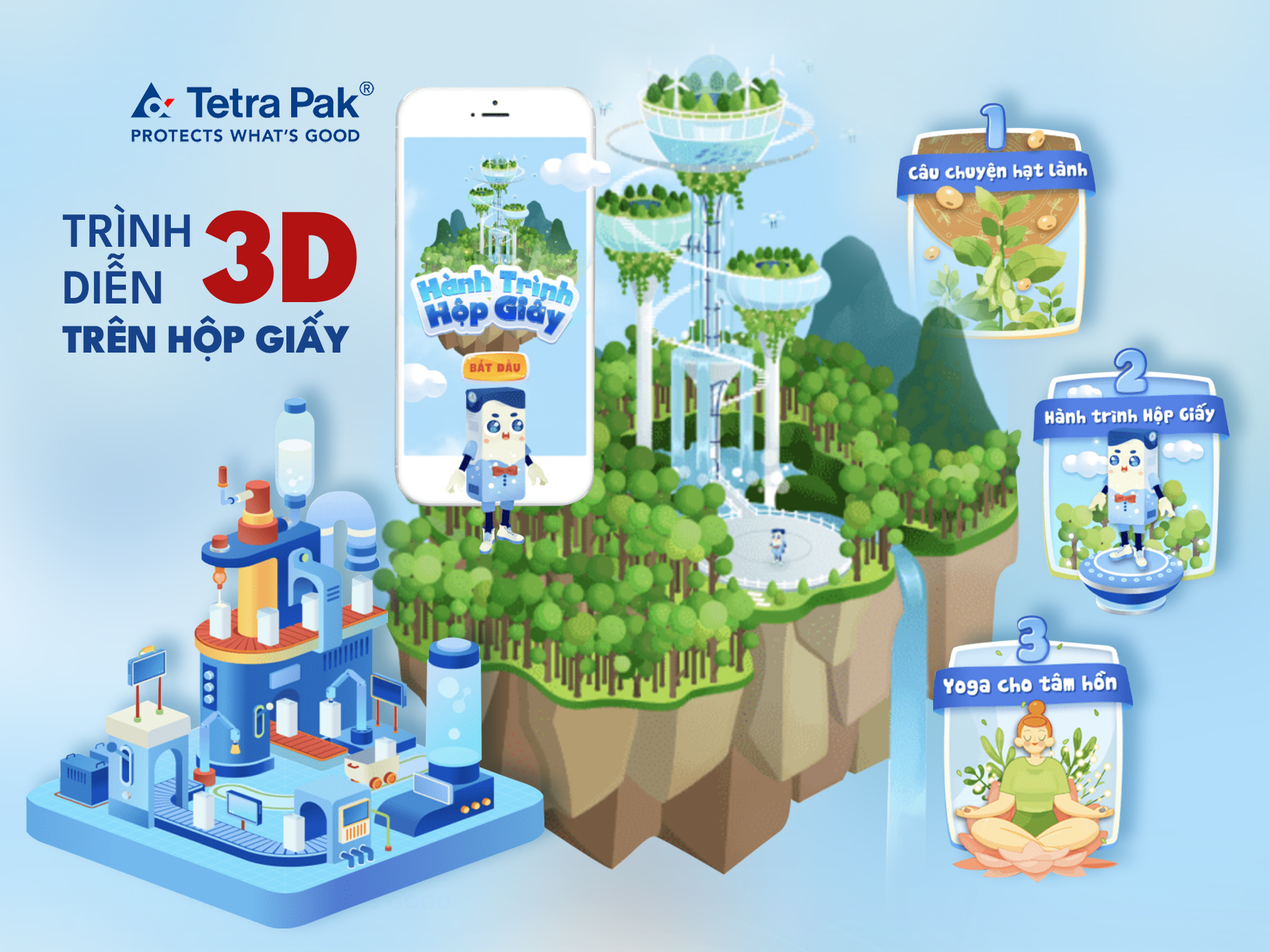
F&BTetra Pak
F&BLB
F&BKnorr Việt Nam
F&BSeABank
 FMCG & Retail & Malls
Learn how businesses apply AR/VR to their journeys in the studies below. Every magical things here can be found at Marvy's services.
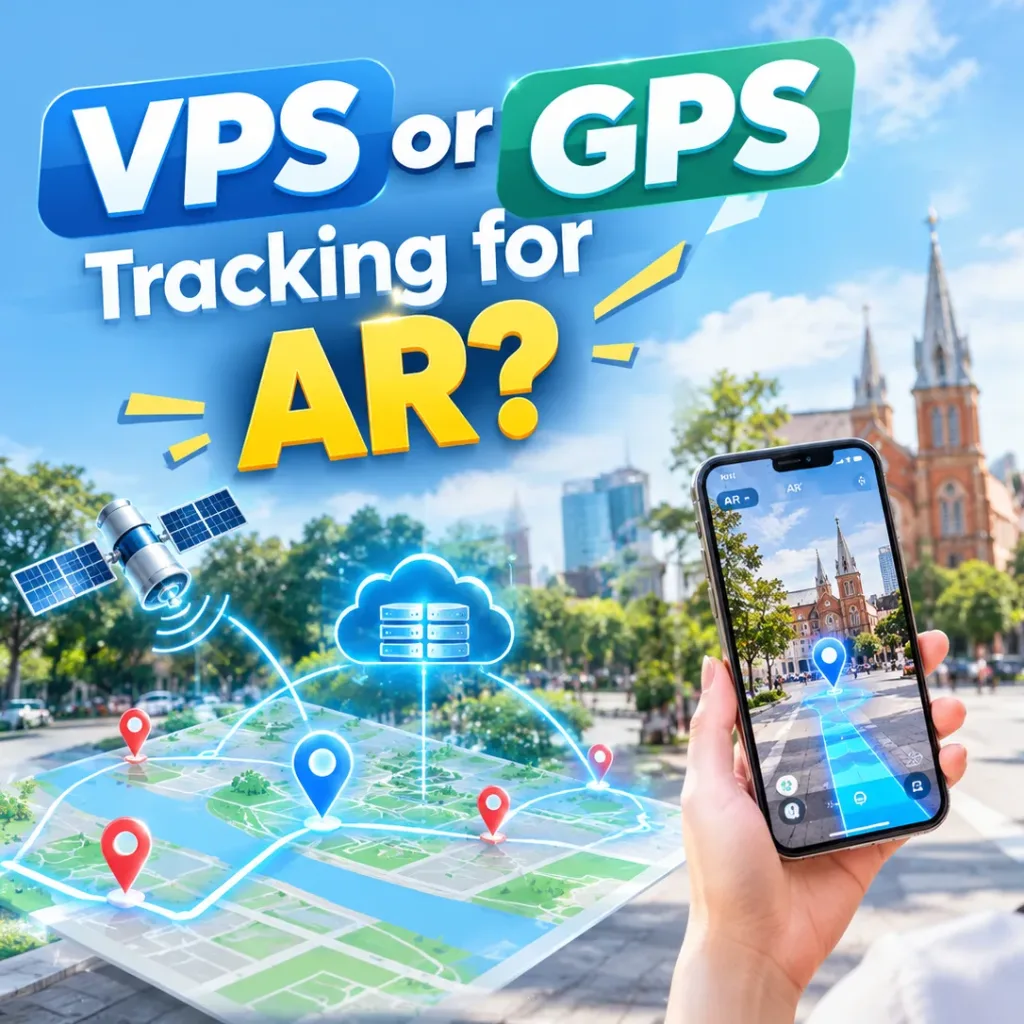
While GPS is the foundation of outdoor positioning, its limitations become clear when precise, real-world augmented reality is required. Visual Positioning Systems (VPS) offer a…
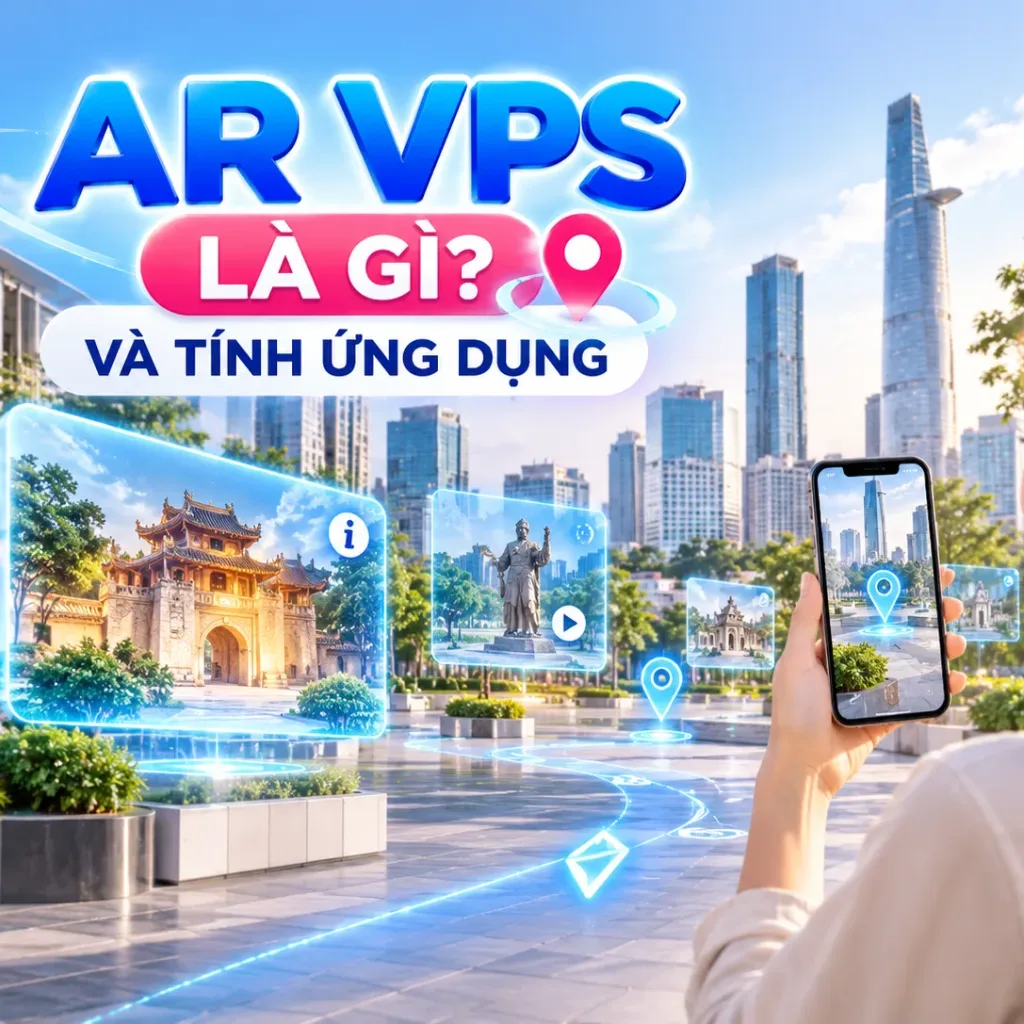
Location-Based AR, powered by advanced VPS Tracking, enables precise, contextual digital overlays that seamlessly interact with physical environments. This article explores its…
This article explores the power of Progression Design within Zalo Mini App, demonstrating how strategic Gamification can cultivate deep customer loyalty and drive sustained brand…
In an era of increasing data privacy concerns, understanding and ethically collecting customer data is paramount. This article explores how gamification on Zalo Mini App offers a…
By 2026, Halloween marketing will transcend traditional campaigns. Brands will leverage AI-powered Zalo Mini Apps to transform every user into the protagonist of their spooky…
In today's dynamic digital landscape, brands are constantly seeking innovative ways to connect with their customers. This article explores how interactive personality quizzes on…
Services
ClosePhoto booths, personalized image campaigns and minigames, built with AI.
AR filters, event experiences, print and places, in an app or straight in the browser.
AR filters
Print, products and places
Zalo Mini Apps, minigames and campaign microsites, with rewards and a CMS.
Try it on yourself
CloseTwo small versions of the tracking our AI and AR campaigns are built on. Nothing loads and the camera stays off until you press Start. After that it all runs on your device.
Runs on your device. Nothing is recorded or uploaded.